
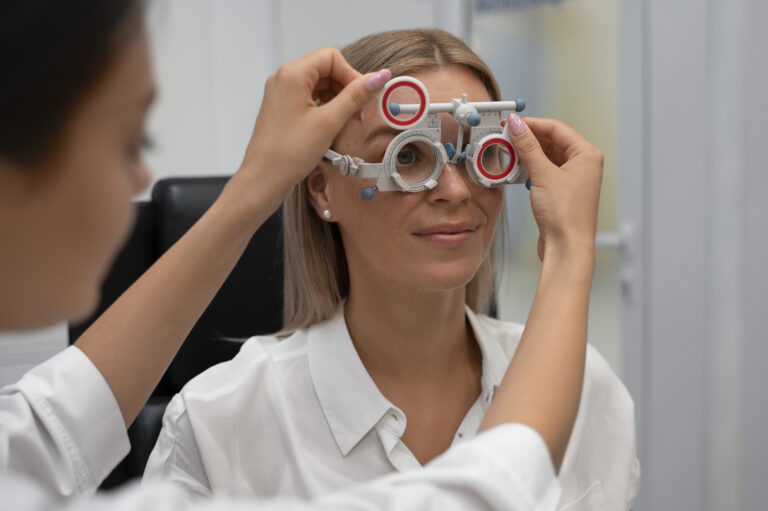
Most of us only think about our eyes when something goes wrong – a sudden blur, a headache that won’t ease, or glasses that suddenly feel too weak. We all know that our eyes are the most powerful yet one of the most delicate and hard-working organs we have. The changes we age, respond to our lifestyle, and quietly adapt to the demands of work, screens, driving, and everyday life.
This is why the best eye clinics today don’t just correct vision problems; they support lifelong eye health, offering personalised care that evolves with you. From early assessments to advanced diagnostic tools and long-term care plans, modern clinics focus on prevention just as much as treatment.
So whether you wear glasses, have never had an eye issue, or are living with a long-term condition, understanding what a high-quality eye clinic provide can make all the difference for your eyesight and your confidence.
What Modern Eye Care Looks Like
For years, eye care was seen as something simple: get your eyes tested, pick your frames, and leave. Voila! However, in the recent years, our lifestyle has been changed dramatically. Increased screen time, long working hours, urban pollution, and ageing populations have created new challenges for your vision.
The best eye clinic now recognise this and take a whole-life approach to eye health that includes:
- Proactive detection
- Lifestyle-based assessments
- Tailored treatments
- Support for long-term conditions
- Ongoing monitoring
- Patient education
Clinics like those led by highly experienced professionals such as Ranjit Sandhu, who offers specialist ophthalmic care across the UK, are shaping a more complete and preventative style of eye health.
Early Detection is the Foundation of Lifelong Vision Care
One of the strongest indicators of a good eye clinic is its commitment to early diagnosis. Many eye conditions develop slowly and painlessly, meaning you may not notice symptoms until damage is already done.
The best eye clinics use advanced diagnostics to detect issues such as:
- Glaucoma
- Cataracts
- Macular degeneration
- Diabetic eye disease
- Dry eye syndrome
- Corneal disorders
- Retinal damage
Modern clinics use state-of-the-art imaging tools, retinal scans, visual field testing, and high-resolution photography to spot even the smallest changes before they become problems.
Early detection = earlier treatment = better long-term outcomes.
Personalised Treatment Instead of One-Size-Fits-All
Your eyes aren’t like anyone else’s, so your treatment shouldn’t be either.
The leading clinics take time to understand:
- Your medical history
- Your daily routine
- Your work and screen habits
- Your family’s eye health
- Your lifestyle and hobbies
- Your long-term health conditions
This personalised approach helps create treatment plans that fit your life, not just your symptoms.
Clinicians such as Mr Ranjit Sandhu, known for his careful, patient-centred approach, embody this level of personalised care, ensuring each treatment is tailored to the individual’s needs, expectations, and long-term vision goals.
Preventative Care: Protecting Your Vision Before Problems Develop
Protecting your sight isn’t just about fixing issues but about preventing them altogether.
The best eye clinics empower patients with practical, personalised strategies such as:
Managing screen strain: Tips for reducing digital fatigue, setting up ergonomic workstations, and using proper lighting.
Lifestyle and nutrition guidance: Advice on nutrients essential for eye health, such as lutein, omega-3, and vitamin A.
UV and blue light protection: Recommending appropriate lenses, anti-reflective coatings, and safe sun protection.
Dry eye management: Plans that might include lubricating drops, warm compress therapy, specialist treatments, or environmental adjustments.
Regular monitoring: Scheduled check-ups ensure your eyes stay healthy as you age.
Good eye clinics support your life, not just your sight.
Support for Long-Term and Age-Related Eye Conditions
As we age, our eyes naturally change and some people develop chronic conditions that require ongoing care. This is where an experienced clinical team becomes invaluable.
Conditions often managed long-term include:
- Glaucoma
- Cataracts
- Diabetic retinopathy
- Age-related macular degeneration (AMD)
- Keratoconus
- Severe dry eye
The best clinics combine medical expertise, advanced technology, and continuity of care to ensure these conditions are monitored closely. They explain each step in human, understandable terms so patients feel informed rather than overwhelmed.
Specialists like Mr Ranjit Sandhu, with extensive expertise across cataracts, glaucoma, corneal disease, and general ophthalmology, provide reassurance through a clear, compassionate, and highly experienced approach.
Technology That Makes a Real Difference
Modern ophthalmic care is deeply rooted in technology. The top clinics invest heavily in diagnostic and treatment innovations, such as:
- Optical Coherence Tomography (OCT)
- High-definition retinal imaging
- Corneal mapping systems
- Advanced cataract assessment tools
- Laser treatment options
- Precision refractive correction technologies
This equipment allows clinicians to detect issues earlier, plan treatments more accurately, and support long-term eye health with far greater confidence.
In the hands of a skilled specialist, this technology becomes life-changing, helping people maintain independence, comfort, and clarity as they age.
Patient Education Begins by Empowering You to Take Control of Your Eye Health
Good eye clinics don’t just diagnose and treat; they educate. They take time to explain:
- What’s happening with your eyes
- Why certain issues may occur
- How lifestyle affects vision
- What treatment options look like
- How to protect your sight long-term
This educational approach helps patients make informed decisions and gives them confidence at every stage of their care.
Consistency and Continuity: Building Trust Over Time
Lifelong eye health requires lifelong support. The best clinics build long-term relationships, ensuring each patient sees familiar faces and enjoys consistent care.
Patients often feel far more comfortable when they return to a clinic where:
- Their history is known
- Their concerns are understood
- Their progress is monitored
- Their specialist remains the same
Frequently Asked Questions (FAQs) About the Best Eye Clinics
How often should I have my eyes tested for lifelong eye health?
Most people should have an eye test every two years, but those with existing conditions or symptoms may need more frequent appointments. A good eye clinic will guide you based on your personal needs.
What signs mean I should see an eye specialist sooner?
Sudden blurred vision, flashing lights, persistent headaches, pain, floaters, or changes in colour perception should be checked immediately. Early assessment helps prevent long-term damage.
Do I need a specialist clinic even if I don’t have vision problems?
Yes. Many eye conditions develop silently. A modern, well-equipped clinic can detect early changes long before symptoms appear, helping protect your sight for life.
Why Choosing the Right Eye Clinic Truly Matters
Your eyes shape how you experience the world – the people you love, the places you explore, the work you do, and the memories you make. A trustworthy, modern eye clinic supports every chapter of that journey through prevention, early diagnosis, personalised treatment, and long-term care.
A clinic that invests in advanced technology, patient education, and compassionate specialist support, like the services offered through www.ranjitsandhu.co.uk provides the foundation for lifelong vision and peace of mind.
Choosing the right eye clinic is more than a medical decision; it’s an investment in the quality of your life.