
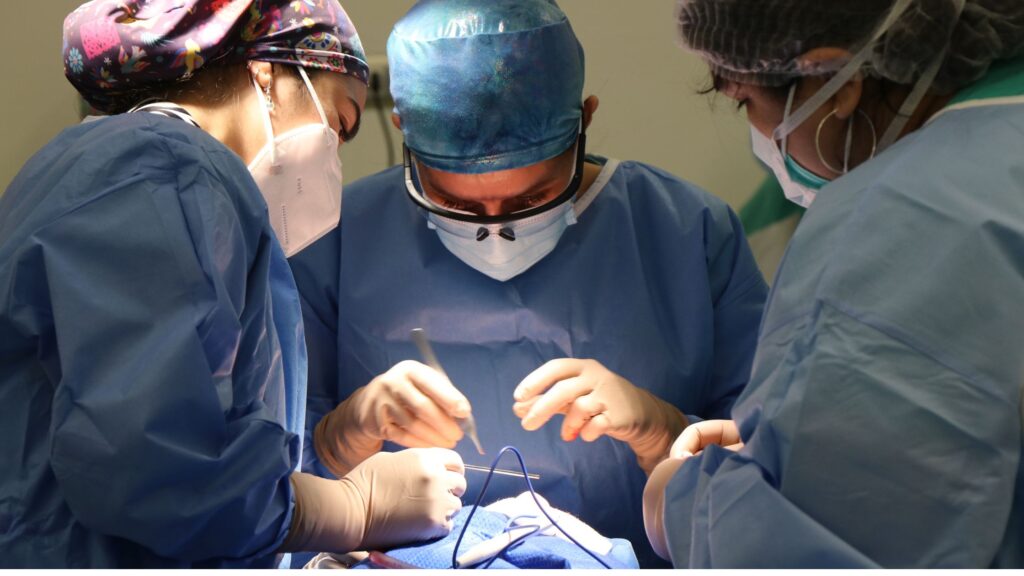
Overview: Getting Cataract Eye Surgery? Find out how quick it really is, what to expect on the day, and simple tips to make your surgery experience stress-free.
If you are preparing for Cataract Eye Surgery, you might be wondering how much time to set aside for the procedure. Will it take hours? Will you need to spend the whole day at the hospital? Well, the good news is that cataract surgery is one of the most common and quickest eye surgeries performed today.
In this guide, we will walk you through how long the surgery itself takes, what isinvolved before and after, and how to plan your day around it.
The Short Answer: The Surgery Itself Is Quick
The actual Cataract Eye Surgery usually takes about 10 to 20 minutes per eye.
It isa minimally invasive procedure where the surgeon removes the clouded natural lens from your eye and replaces it with a clear artificial lens (known as an intraocular lens, or IOL). Thanks to modern techniques like phacoemulsification, recovery is faster, and the surgery can be completed in a fraction of the time it once took.
But You’ll You will Spend More Time at the Clinic
While the Surgery itself is quick, your total time at the clinic or hospital will likely be 2–3 hours. This is because there are essential steps before and after the procedure:
- Pre-Operative Preparation (30–60 minutes)
- Checking your medical history
- Measuring your eye to determine the correct lens strength
- Administering dilating eye drops
- Cleaning the area around your eye for sterility
- The Surgery (10–20 minutes)
- Making a tiny incision in your eyeor key hole surgery
- Breaking up and removing the cloudy lens
- Inserting the new lens
- Sealing the incision (which usually heals naturally without stitches)
- Post-Operative Recovery(30–60 minutes)
- Receiving post-surgery instructions and eye drops
- Having someone ready to drive you home
Why the Surgery Is So Fast
Advances in Cataract Eye Surgery have transformed it into a highly efficient procedure. Modern surgical techniques allow:
- Smaller incisions that heal quickly
- No need for general anaesthesia (only local anaesthetic)
- High precision with ultrasound
Because of these improvements, most patients can go home the same day and resume light activities within 24 hours.
One Eye at a Time or Both
If you need Surgery on both eyes, your surgeon will usually operate on one eye first, then schedule the second eye 1–2 weeks later. This allows the first eye to heal and your vision to stabilise before proceeding with the other. However, it is a personal preference if you would like both done at the same time in which case the surgeon will explain the procedure and what to expect.
How to Plan Your Day Around Surgery
Here isa realistic timeline for the day of your Cataract Eye Surgery:
Arrive Early: Check-in, pre-op checks, and Preparation will take up to an hour.
Surgery Time: 10–20 minutes for the procedure itself.
Recovery Time: About 30–60 minutes before you can go home.
Getting Home: You will notbe able to drive yourself, so do arrange a lift.
Rest: Plan to rest your eyes for the remainder of the day. Also, avoid heavy lifting, bending, or rubbing your eyes.
Also Read >>8 Tips for Quick Recovery After Cataract Surgery
After the Surgery: The First 24 Hours
While you might feel fine after Cataract Eye Surgery, your vision could be slightly blurry or cloudy as your eye adjusts to the new lens. You may also experience mild discomfort, light sensitivity, or watery eyes. These symptoms are usual and usually improve within a day or two.
Tips for a Smooth Surgery Day
Arrange Transportation: Let us admit, you cannot drive yourself home. There are a few protocols you have to follow before sitting behind the wheel again.
Wear Comfortable Clothing: It isimportant to avoid wearing tight collars or anything that might press against your neck.
Follow Eating and Drinking Guidelines: Your clinic will advise if you need to avoid food or drink before the procedure.
Bring Sunglasses: They’ll help you with light sensitivity on the way home.
But What Makes the Surgery Longer for Some Patients?
While most procedures are quick, a few factors can extend surgery time:
- Very advanced cataracts that require more care to remove
- Complex eye conditions (such as glaucoma or previous eye injuries, diabetes, uveitis or inflammation in the eye which needs to be managed before you can have surgery)
- The need for special lenses (multifocal or toric lenses for astigmatism)
Your surgeon will discuss this with you during your pre-surgery consultation, so you know what to expect.
A Point to Remember
While the procedure itself may be quick, your choice of surgeon plays a huge role in how smooth, safe, and comfortable your experience will be. You’d want someone with proven expertise, advanced knowledge, and a personalised approach to care.
At Ranjit Sandhu, we specialise in Cataract Eye Surgery using the latest methods to ensure excellent visual outcomes and a comfortable recovery. Every patient receives a thorough consultation where we discuss their lifestyle needs, desired visual results, and the best lens option for them. She specialises in premium lens implants to correct short sight, long sight and astigmatism. With her expertise, she manages the care before in after in complex cataracts such as in diabetes and uveitis.
In Summary
The Cataract Eye Surgery itself is over in as little as 10 minutes, but with Preparation and recovery, expect a few hours at the clinic. With modern techniques, the process is fast, comfortable, and highly successful, giving you a clearer vision and a better quality of life in record time.
So while you willwant to block out a half-day in your calendar, you are likely be home before you know it, with brighter and sharper vision on the way.