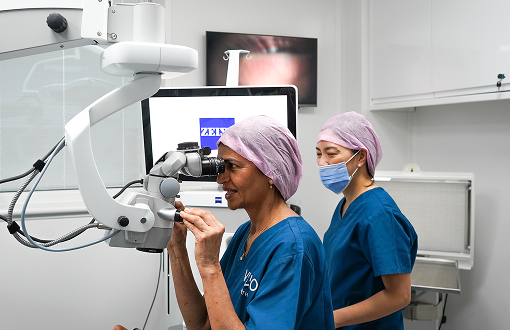
Eye Surgery Specialist: 7 Questions to Ask Before You Choose One
Choosing an eye surgery specialist is not a decision most people take lightly and understandably so.
Your eyesight is deeply personal. It affects how you move through the world, how you work, and how you experience everyday life. Whether you’re considering corrective procedures or addressing a medical condition, the process can feel unfamiliar and, at times, overwhelming.
That’s why asking the right questions matters.
Not to complicate the decision—but to bring clarity, reassurance, and confidence at a time when it’s needed most.
What Experience Does the Specialist Have with Your Specific Condition?
Not all eye conditions are the same and neither are the specialists who treat them.
Some surgeons focus on particular procedures or areas of ophthalmology. Understanding whether your specialist has experience with your specific concern is an important starting point.
Depth of experience
It’s not just about how long they’ve practised, but how frequently they perform the procedure you’re considering.
Familiarity builds confidence
A specialist who regularly handles similar cases is more likely to guide you with clarity and precision.
What Are the Risks And Expected Outcomes Of The Procedure?
Every medical procedure carries some level of risk. A good eye specialist will explain these openly—without overwhelming you, but without avoiding the conversation either.
Balanced explanation
You should understand both the benefits and the potential limitations of the procedure.
Setting realistic expectations
Clarity at this stage helps you feel prepared rather than uncertain.
What Technology & Techniques Are Being Used?
Modern eye surgery has evolved significantly, with advancements in both technology and technique. Understanding what approach your specialist uses can help you feel more informed about the process.
Up-to-date methods
Specialists who use current techniques are often able to offer more precise and efficient outcomes.
Not just about equipment
It’s also about how that technology is used—experience and skill remain just as important.
What Does the Consultation Process Involve?
The initial consultation is more than just an assessment but your opportunity to understand the specialist’s approach.
Time and attention
A thorough consultation should allow enough time for questions, discussion, and clear explanations.
Personalised evaluation
Your eyes, your health, and your lifestyle should all be considered when recommending a procedure.
Feeling heard matters
You should leave the consultation feeling informed—not rushed.
What Is the Recovery Process Like?
Recovery is often one of the biggest concerns. Understanding what to expect can help reduce anxiety and allow you to plan ahead.
Timeline and aftercare
Ask about how long recovery typically takes and what support is provided during that time.
Day-to-day impact
Knowing how the procedure may affect your routine helps you prepare both practically and mentally.
How Important is Aftercare and Ongoing Support in Eye Surgery?
The quality of care doesn’t end once the procedure is complete. Aftercare plays a crucial role in ensuring a smooth recovery and achieving the best possible outcome.
A good eye surgery specialist will provide clear guidance on post-procedure care, follow-up appointments, and what to expect during the healing process. This ongoing support helps identify any concerns early and offers reassurance as your vision stabilises.
Knowing that you have access to professional guidance even after the surgery can make a significant difference in how confident and comfortable you feel throughout your recovery journey.
What Do Previous Patients Say About Their Experience?
Patient feedback can offer valuable insight into what the experience is really like. While every case is unique, consistent feedback often highlights:
Communication quality
Professionalism
Overall patient care
Looking beyond results
It’s not just about outcomes but how patients felt throughout the process.
Trust built through experience
Positive, consistent feedback can provide reassurance when making your decision.
Do You Feel Comfortable & Confident with The Specialist?
This is often the most important question and one that only you can answer. Beyond qualifications and experience, there should be a sense of trust.
Clear communication
You should feel comfortable asking questions and receiving straightforward answers.
Confidence without pressure
A good specialist guides you without rushing your decision.
A supportive environment
Feeling at ease is not a small detail but a key part of the process.
For those looking to learn more about specialist-led eye care and patient-focused approaches, you can explore Ranjit Sandhu.
Why Is It Important to Take Your Time When Choosing?
Medical decisions deserve careful consideration.
Rushing the process can lead to uncertainty, while taking the time to understand your options allows you to move forward with confidence.
It’s not about finding the quickest solution—it’s about finding the right one.
Frequently Asked Questions (FAQs)
How do I choose the right eye surgery specialist?
Look for experience in your specific condition, clear communication, and a consultation process that makes you feel informed and comfortable.
Is eye surgery safe?
Modern eye surgery is generally safe, but risks vary depending on the procedure. A specialist should explain these clearly.
What questions should I ask before eye surgery?
Ask about experience, risks, recovery, technology used, and what to expect from the process.
Conclusion
Choosing an eye surgery specialist is not just about qualifications but about trust, clarity, and feeling supported throughout the process.
By asking the right questions, you create space for informed decisions rather than assumptions. You gain a clearer understanding of what to expect, and you move forward with confidence rather than uncertainty.
In matters as important as your vision, that clarity is invaluable.