
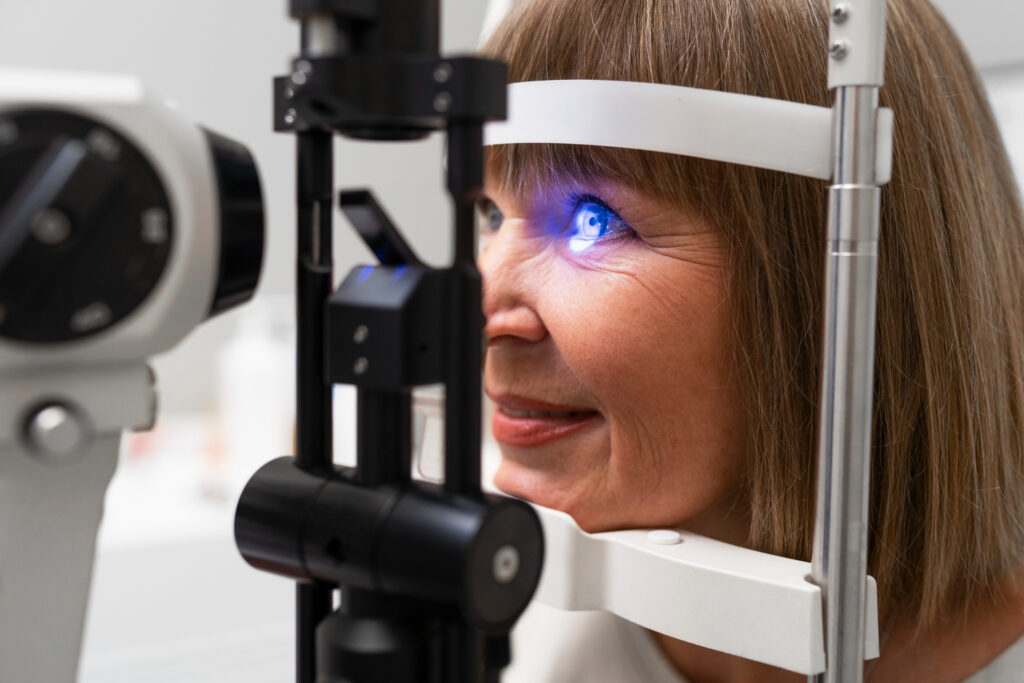
Eye laser treatment has become one of the most effective methods for correcting a range of vision issues, from short-sightedness and long-sightedness to astigmatism. Using advanced laser technology, ophthalmology consultants reshape the cornea to improve how light focuses on the retina – producing clearer, sharper vision.
At its core, this is a delicate yet highly controlled procedure. Unlike traditional surgery, no blades are used, and recovery time is relatively quick. Many patients at the best eye clinics across the UK, such as Ranjit Sandhu Eye Clinic, are often able to return to work and daily activities within a few days.
But what actually happens before, during, and after the procedure? Here’s a detailed, medically informed breakdown to help you prepare and know what to expect.
Before the Eye Laser Procedure: Assessment and Candidacy
The first and most crucial step is determining whether you’re a suitable candidate for eye laser treatment. Not everyone qualifies, and this evaluation is typically carried out by an eye surgery specialist or consultant ophthalmologist.
During your pre-operative consultation, your eyes are examined in detail. This includes:
Corneal thickness measurements: Essential to ensure the cornea can safely be reshaped.
Tear film analysis: Identifies dry eye risks that could affect recovery.
Pupil size testing: Helps predict night vision outcomes.
Prescription stability: Vision must remain stable for at least 12 months before treatment.
Your medical history is also reviewed to rule out conditions such as glaucoma or corneal dystrophies that might interfere with healing. In some cases, those unsuitable for laser vision correction may be recommended alternative eye care services, such as lens replacement or cataract eye surgery.
By the end of this phase, your consultant will advise on the most suitable treatment type – LASIK, LASEK, or SMILE – depending on your corneal anatomy and vision goals.
What Really Happens on the Day of Eye Laser Treatment
Most patients are surprised by how quick and comfortable the procedure actually is. On the day of your eye laser treatment, expect to spend around two hours at the clinic, though the laser portion itself takes only a few minutes.
You’ll first receive anaesthetic eye drops to numb the area – no injections are needed. Once your eye is prepared, the surgeon uses a femtosecond or excimer laser to create a microscopic layer within the cornea. The laser then reshapes the corneal tissue to correct the refractive error.
Throughout the process, you won’t feel pain, though you may sense slight pressure or see flashes of light. Modern systems are equipped with tracking technology that adjusts for even the smallest eye movements, ensuring accuracy to the micron.
Clinics such as Ranjit Sandhu Eye Clinic use leading-edge equipment that allows ophthalmology consultants to perform these procedures with exceptional precision and minimal downtime.
Aftercare & Recovery: The First 24 Hours
Immediately after the procedure, you’ll rest briefly before heading home. Vision may be blurry, and mild irritation or watering is normal. Your eye surgery specialist will prescribe antibiotic and anti-inflammatory drops to prevent infection and aid healing.
For the first 24 hours, avoid rubbing your eyes or engaging in activities that expose them to dust or water. Protective shields or glasses may be recommended overnight. Most patients notice a dramatic improvement in vision within the first day, though optimal results typically stabilise over a few weeks.
Follow-up appointments are essential and form part of the clinic’s comprehensive eye care services. These checks ensure your cornea is healing properly and that no early signs of dryness or inflammation go unnoticed.
Expected Results and Long-Term Benefits of Eye Laser Treatment
Once your eyes have fully healed, the benefits of laser treatment can be life-changing. Many people achieve 20/20 vision or better, significantly reducing or even eliminating their dependence on glasses or contact lenses.
Results vary depending on the condition treated. For instance, glaucoma laser surgery focuses not on vision correction but on lowering intraocular pressure to prevent optic nerve damage. In contrast, refractive laser procedures – LASIK and PRK reshape the cornea for clearer sight.
It’s important to remember that while eye laser treatment provides permanent reshaping of the cornea, natural ageing can still affect vision over time. Regular follow-up visits and continued eye health monitoring remain key to maintaining long-term outcomes.
Also Read >>Eye Laser Treatment Surgery Explained: Benefits, Risks, & Recovery Time
The Link Between Choice of Surgeon and Recovery Time
Recovery from cataract surgery is usually quick, with most patients resuming normal activities within days. However, the expertise of your surgeon can influence how seamless this recovery feels.
An expert surgeon ensures:
- Minimal trauma to the eye: Less inflammation means quicker healing.
- Optimal placement of the lens implant: Reduces the risk of blurriness, halos, or glare.
- Close monitoring during recovery: Allows early detection and treatment of any complications.
Patients treated by highly skilled surgeons often find their recovery more comfortable and predictable. They are less likely to experience setbacks, allowing them to enjoy the benefits of clear vision sooner.
Common Concerns Patients Have During Recovery
Many patients worry about what recovery will involve. Will there be pain? How long before they can drive again? What if their vision doesn’t improve as expected?
Here is how choosing the best surgeon helps ease those concerns:
Pain management: A skilled surgeon uses techniques that minimise discomfort, and their aftercare plan will keep you comfortable as you heal.
Quick return to daily life: With precise surgery, many patients can drive within a week and resume most activities soon after.
Clarity of vision: The right surgeon ensures your lens implant is carefully selected and positioned, reducing the chance of visual disturbances.
In other words, the best cataract surgeons not only restore your sight but also safeguard your peace of mind throughout the healing process.
Related Reading: The Complete Guide to Cataract Surgery and Eye Care in the UK
Risks and Safety Considerations
Every surgical procedure carries risks, and transparency is crucial. Complications from modern eye laser treatment are rare, but potential side effects include dry eyes, glare, or temporary night halos.
These are typically short-lived and can be managed effectively through eye drops or mild medication. At the best eye clinics, detailed post-operative care protocols are in place to detect and address any early complications. The involvement of experienced ophthalmology consultants ensures every safety standard is met.
If you’re considering surgery, always verify that your chosen clinic is regulated by the Care Quality Commission (CQC) and that your surgeon holds General Medical Council (GMC) registration with a specialist qualification in ophthalmology.
Eye Laser Treatment vs. Cataract Surgery
Patients often confuse eye laser treatment with cataract eye surgery, though they serve very different purposes.
- Cataract eye surgery involves removing a cloudy lens and replacing it with an artificial one to restore clarity.
- Eye laser treatment, on the other hand, modifies the corneal surface to correct refractive errors such as myopia or hyperopia.
Both are highly advanced and carried out by trained eye surgery specialists, but the patient selection and post-operative expectations differ significantly. If you’re unsure which is right for you, scheduling an assessment with a consultant at Ranjit Sandhu Eye Clinic can help clarify the best route forward.
Final Thoughts
Eye laser treatment has revolutionised modern ophthalmology. With its precision, quick recovery, and lasting outcomes, it’s no surprise that millions worldwide have opted for it. However, success depends heavily on expert evaluation, advanced technology, and proper aftercare—all of which define trusted clinics like Ranjit Sandhu Eye Clinic.
Whether you’re seeking refractive correction, exploring glaucoma laser surgery, or simply researching options at the best eye clinic near you, make sure your vision care is guided by experienced eye surgery specialists.